@EvanKirstel
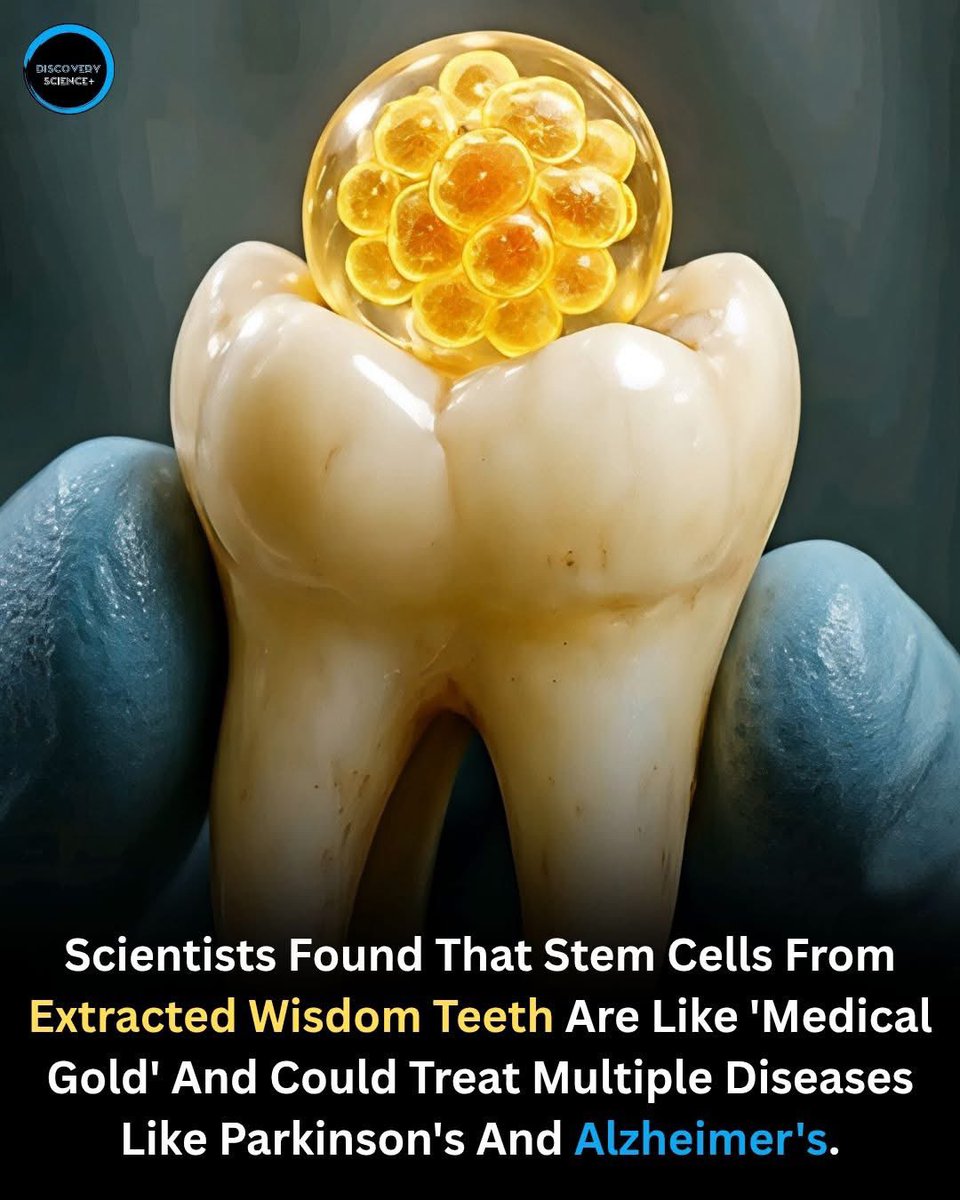
Wisdom teeth may be more valuable than we once thought Scientists have found that wisdom teeth contain dental pulp stem cells (DPSCs), a type of adult stem cell with notable regenerative potential. Because these cells originate from neural crest tissue, they show a higher-than-average ability to support nerve repair and differentiate into neuron-like cells under laboratory conditions. Researchers are actively studying DPSCs for their potential role in neuroregeneration, including applications related to spinal cord injury, stroke recovery, and neurodegenerative diseases such as Parkinson’s. In preclinical studies—primarily cell cultures and animal models—these cells have demonstrated the ability to promote neuronal growth, reduce inflammation, and support damaged nerve tissue. That said, this research is still experimental. There are currently no approved human treatments using wisdom tooth stem cells for neurological disorders, and significant clinical testing remains ahead. While stem cell banking of dental tissue exists, its future therapeutic value is promising but unproven. Bottom line: wisdom teeth aren’t medical gold—yet. But what was once considered medical waste is now an active area of regenerative medicine research, particularly in neuroscience. Sometimes progress starts in unexpected places… including the dentist’s chair. #StemCells #RegenerativeMedicine #Neuroscience #MedicalResearch #FutureOfHealthcare